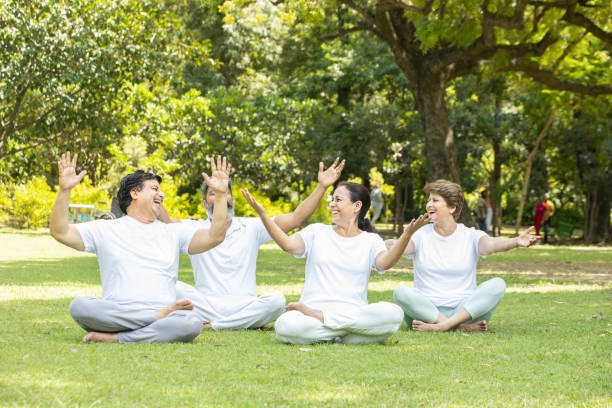
Supporting body strength through slow controlled movements is an effective approach that emphasizes quality over quantity in physical exercise. This method involves performing exercises deliberately and with mindful attention to muscle engagement, which enhances strength development while reducing the risk of injury. Unlike rapid or uncontrolled movements, slow controlled actions allow individuals to focus on proper form, ensuring muscles are activated correctly and evenly throughout each motion.
When practicing slow controlled movements, it is important to maintain a steady pace that challenges the muscles without causing strain. By moving deliberately, you increase the time under tension for your muscles, which stimulates growth and endurance more effectively than fast repetitions. This prolonged engagement promotes better muscle fiber recruitment and improves neuromuscular coordination. As a result, strength gains become more balanced and sustainable.
Breathing plays a crucial role in supporting body strength during these exercises. Coordinating breath with movement helps stabilize the core and supplies oxygen efficiently to working muscles. Inhaling deeply before initiating a movement and exhaling slowly as you complete it can enhance control and reduce unnecessary tension in other parts of the body. Proper breathing techniques also contribute to maintaining focus throughout each repetition.
Incorporating slow controlled movements into various types of workouts can benefit people at all fitness levels. Whether using bodyweight exercises such as squats or push-ups or incorporating resistance bands or light weights, slowing down ensures that every part of the movement is performed correctly. This attentiveness reduces compensatory patterns where stronger muscles take over best CBD for joint pain relief weaker ones, thus promoting balanced development across different muscle groups.
Additionally, this style of training fosters greater mind-body connection by encouraging awareness of how each muscle feels during contraction and relaxation phases. Such mindfulness not only aids in preventing injuries but also supports rehabilitation efforts when recovering from physical setbacks by allowing gradual reintroduction of load with precision.
To maximize results from slow controlled movements, consistency is key along with gradually increasing intensity as strength improves. Over time, patience combined with focused effort leads to enhanced muscular endurance, joint stability, and overall functional fitness.
In summary, supporting body strength through slow controlled movements offers a safe yet powerful way to build muscular capacity while improving technique and bodily awareness. Emphasizing deliberate execution rather than speed cultivates long-term benefits essential for healthful living across all ages and activity levels.